
The Ultimate Checklist for Home Buyers: What to Inspect Before You Buy

Buying a home is one of the most exciting yet nerve-wracking experiences you'll ever go through. Before you get too carried away with dreams of your new place, it's crucial to make sure the house is in good shape. This ultimate checklist will guide you through inspecting the most important parts of a home, from the roof to the foundation. With this guide, you'll be better prepared to make a smart and safe investment.
Roof

A roof is one of the most important parts of a house. It protects everything inside from the elements and gives a sense of comfort and security. Unfortunately, roofing issues are common and can be costly to repair. A roof that’s been replaced in the last few years is ideal; otherwise, you’ll need to budget for its replacement.
When inspecting the roof, consider the following:
Is the roof structure in good condition?
Is the surface of the roof weathered?
Are any shingles missing or damaged?
Are there holes in the roof?
Do the gutters drain properly?
Is flashing—thin metal strips that redirect water—used where necessary?
Are the eaves, fasciae, and soffits—all parts of the roof and its drainage system—intact?
Are there cracks in the skylights?
Are chimneys and roof penetrations in good condition?
Identifying areas with signs of wear and tear, aging, or sagging is crucial. Watch for piles of debris or leaves, as these spots can retain moisture that can lead to major roof problems. Reliable home inspection services Richmond Hill and Affordable home inspection for first-time buyers Orillia can help ensure your roof is in top shape.
Foundation
A solid foundation is crucial for the stability and safety of any home. If the foundation is shaky, the house could collapse or need expensive repairs. Here are some key points to consider when inspecting the foundation:
Cracks and Stains: Look for any visible cracks or stains on the foundation. These could be signs of structural issues.
Water Leakage: Ensure there is no water leaking into the basement. Water damage can weaken the foundation over time.
Wooden Beams: If the house has wooden beams supporting the structure, check for any signs of decay or wear and tear.
For a comprehensive guide on key questions to ask during a home inspection, refer to our [top questions to ask during a home inspection](pathname: /post/top-questions-to-ask-during-a-home-inspection).
Electrical System

Ensuring the electrical system is in good condition is crucial for any home buyer. An electrical inspection is a detailed review of your home's electrical components, including wires, systems, and appliances. It goes above and beyond what a casual look might reveal.
Key Areas to Inspect
Wiring: Make sure the wiring is not exposed and is in good condition.
Switches, Outlets, and Light Fixtures: Check these items for any loose wires or malfunctioning parts.
Main Service Panel and Subpanels: Verify the amperage rating and ensure everything is functioning properly.
Smoke and Carbon Monoxide Alarms: Ensure there are enough alarms and that they are in working condition.
Service Entrance Conductors, Cables, and Raceways: Check if these are in good working condition.
Exposed Electrical Splices: Look for any exposed splices that could be hazardous.
Additional Tips
Flick light switches on and off to make sure they work.
Ask about the age and condition of the home's wiring, especially in older houses.
Consider hiring a professional inspector for a thorough review.
Plumbing System
When buying a home, inspecting the plumbing system is crucial. A thorough check can reveal potential issues that might not be visible at first glance. Here are some key areas to focus on:
Appliances: Ensure the toilet, water heater, and water faucets are in good working order.
Pipes: Look for any signs of leaks or corrosion.
Drains: Check that all drains are clear and functioning properly.
Fixtures: Inspect faucets, showers, and sinks for any damage or wear.
Water Heaters: Verify the age and condition of the water heater.
Sump Pumps: Make sure sump pumps are operational to prevent basement flooding.
Sewage Ejector Pumps: Check these pumps if the home has a basement bathroom.
Fuel Storage and Distribution Systems: Inspect for any leaks or damage.
Vents/Flues/Exhaust Pipes: Ensure these are clear and in good condition.
Remember, a well-maintained plumbing system is essential for a comfortable and safe home.
HVAC System

When buying a home, the HVAC system is crucial to inspect. A well-functioning HVAC system ensures comfort and energy efficiency. Here are some key points to consider:
Check if the heating and cooling systems are operational.
Inspect the air filters and ductwork for cleanliness and leaks.
Ensure the thermostat is in good working condition.
Listen for any unusual noises from the unit.
Verify that all vents are in good condition and provide adequate ventilation.
A Certified home inspector in Barrie Ontario can help you with a thorough inspection. This is especially important for a Pre-purchase home inspection Simcoe County or if you're looking for Affordable condo inspection services GTA.
For those in need of a Thorough home inspection Bradford West Gwillimbury or a Home maintenance inspection Barrie and surrounding areas, it's essential to hire a trusted professional. A Comprehensive home inspection Simcoe County and GTA will cover all these aspects, giving you peace of mind. Always opt for a Trusted pre-purchase home inspector Greater Toronto Area to ensure you make a well-informed decision.
Insulation
Proper insulation is crucial for maintaining a home's energy efficiency and comfort. A well-insulated home can significantly reduce heating and cooling costs. When inspecting insulation, consider the following aspects:
Type of Insulation: Check if the insulation material is suitable for the climate and the specific areas of the house. Common types include fiberglass, foam, and cellulose.
Coverage: Ensure that all areas, including the attic, walls, and floors, have adequate insulation. Missing or thin insulation can lead to energy loss.
Condition: Look for signs of wear and tear, such as moisture damage or pest infestation. Damaged insulation may need to be replaced.
R-Value: This measures the insulation's resistance to heat flow. Higher R-values indicate better insulation performance. Make sure the R-value meets local building codes.
For new homes, a new construction inspection specialist Innisfil can ensure that the insulation meets modern standards. If you're buying an older home, an experienced home inspector for older homes Barrie can provide valuable insights into the condition of the insulation.
Remember, proper insulation not only keeps your home comfortable but also protects it from potential damage caused by moisture and pests.
Windows

When inspecting a home, windows are a crucial element to consider. They play a significant role in energy efficiency, security, and overall comfort.
Types of Windows
There are various types of windows you might encounter:
Casement Windows
Fixed or Picture Windows
Awning Windows
Double & Single Hung Windows
Double & Single Slider Windows
End Vent Slider Windows
Bay & Bow Windows
Specialty Shapes Windows
Operational Check
Ensure each window opens, closes, and locks properly. This is vital for both security and ventilation. Check for any cracks, broken glass, or gaps that could affect energy efficiency.
Energy Efficiency
Windows can significantly impact your home's energy efficiency. Look for windows with ENERGY STAR® Certification to ensure they meet energy-saving standards. This can help lower your utility bills and make your home more comfortable.
Safety Concerns
Inspect windows for any safety issues. Make sure they are easy to open in case of an emergency but secure enough to prevent unauthorized entry.
Weatherstripping and Seals
Check the weatherstripping and seals around each window. Proper sealing prevents drafts and helps maintain a consistent indoor temperature.
Maintenance and Repairs
Note any windows that may need maintenance or repairs. Addressing these issues early can save you time and money in the long run.
Final Thoughts
A thorough inspection of the windows can reveal a lot about the home's condition. Address issues early, communicate openly, and leverage repairs for a faster sale.
Doors

When inspecting a home, don't forget to check all the doors. Make sure they open and close properly and that the latches are in good condition. This can help identify if there are any issues with moisture or the structure.
What to Look For
Check for Swelling: Closing doors and checking if they are swelling, and checking their frames and hinges will help identify if there is something wrong with moisture or structure.
Inspect the Frames: Ensure the door frames are not warped or damaged.
Test the Locks: Make sure all locks are secure and functioning.
Look for Gaps: Check for gaps around the doors that could let in drafts or pests.
Exterior Doors
Weatherstripping: Check if the weatherstripping is intact to keep out drafts.
Secure Locks: Ensure the locks are strong and secure.
Proper Fit: Make sure the door fits well in its frame without sticking.
Interior Doors
Smooth Operation: All interior doors should open and close smoothly.
Latch Properly: Ensure they latch properly without any issues.
Basement
When inspecting a basement, it's crucial to check for any signs of water damage or leaks. Water intrusion can lead to serious problems like mold and structural damage. Look for cracks or stains on the foundation walls, as these can indicate potential issues. Ensure that any wooden beams supporting the house are in good condition, without signs of decay or major wear.
Key Points to Inspect
Foundation: Check for cracks, stains, and any signs of water damage.
Water Leaks: Make sure there is no water leaking into the basement.
Wooden Beams: Inspect for decay or major issues.
Ventilation and Drainage: Ensure there is sufficient ventilation and proper drainage to prevent moisture buildup.
Sump Pump: Verify that the sump pump is working correctly.
Attic
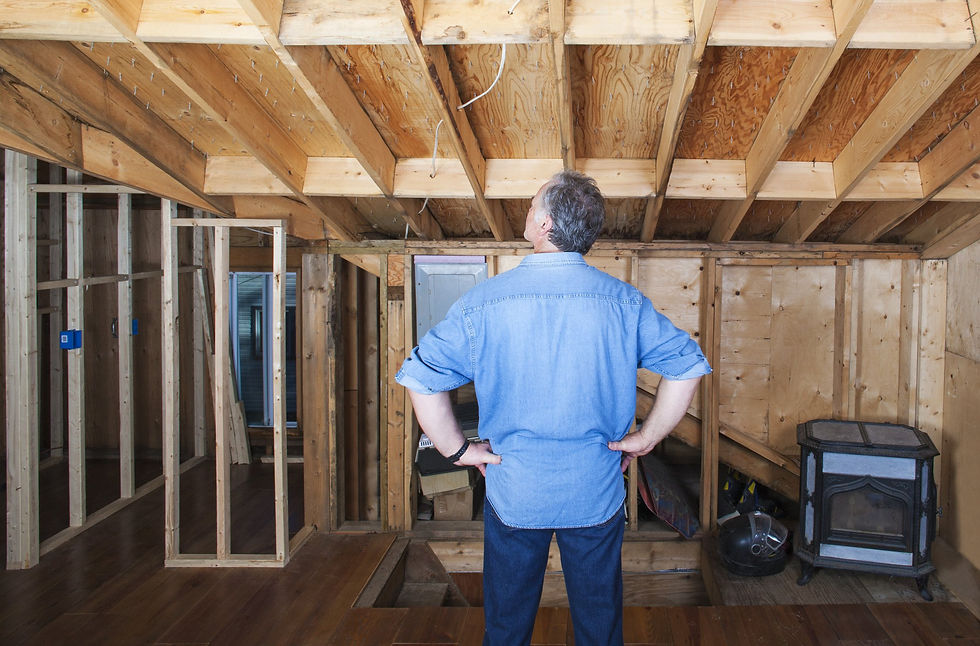
When inspecting a home, don't forget to check the attic. This space is often overlooked but plays a crucial role in the overall health of the house. Make sure there is no water damage and that the structure is sound.
Insulation and Ventilation
Proper insulation and ventilation are key to preventing long-term damage. Ensure the attic has adequate insulation to keep the home energy-efficient. Good ventilation helps to avoid moisture buildup, which can lead to mold and rot.
Pests and Critters
Look for signs of critters. An attic can be an inviting space for pests if there are openings to the outside. Check for any gaps or holes and seal them to keep unwanted guests out.
Roof Condition
The attic can give you clues about the condition of the roof. Look for any signs of leaks or damage. If you notice any issues, it might indicate that the roof needs repair or replacement.
The attic is often an overlooked part of the home, but it holds great potential for storage or even an extra room. However, it can also hide issues like poor insulation or pest infestations. Don't leave it to chance. Visit our website to schedule a comprehensive attic inspection today and ensure your home is safe from top to bottom.
Buying a home is a huge step, and having a solid home inspection checklist can make all the difference. By carefully checking everything from the roof to the foundation, you can make sure the house is safe and in good shape. This way, you can feel confident about your decision and avoid any nasty surprises down the road. So, take your time, use the checklist, and make your dream home a reality. Happy house hunting!
Frequently Asked Questions
Why is a home inspection important?
A home inspection helps you understand the condition of the house. It can reveal any issues that need fixing, helping you make an informed decision.
What should I look for when inspecting the roof?
Check for missing or damaged shingles, signs of leaks, and the overall age of the roof. A good roof is crucial for protecting your home.
How can I tell if the foundation is in good shape?
Look for cracks in the walls or floors, doors that don't close properly, and any signs of water damage. These can be signs of foundation problems.
What are common electrical system issues?
Watch out for outdated wiring, flickering lights, and overloaded circuits. These can be fire hazards and should be addressed by a professional.
Why is plumbing inspection necessary?
Inspecting the plumbing system helps identify leaks, water pressure issues, and potential pipe damage. This can save you from costly repairs later.
What should I check in the HVAC system?
Ensure the heating and cooling systems are working properly. Check the age of the units and look for any signs of wear and tear.
How do I inspect the insulation?
Check the attic and walls for proper insulation. Good insulation helps keep your home energy-efficient and comfortable.
Why is it important to check windows and doors?
Make sure windows and doors open and close easily. Check for drafts, which can affect your home's energy efficiency and comfort.


Comments